

Study in Italy
World-Class Education, Culture, and Global Career Opportunities.
Italy offers international students an exceptional combination of academic excellence, internationally recognised qualifications, cultural heritage, and career-focused learning. From business and engineering to fashion, architecture, and design, students can choose from a wide range of undergraduate and postgraduate programmes at public universities, private universities, and specialist institutions.style
Talk to Our Team

Why choose Italy
Build Your Future in Italy
Study in a European destination that combines academic excellence, research opportunities, specialist education and a diverse international student environment.
- Internationally recognised qualifications
- English-taught programmes at selected institutions
- Specialist education in fashion, design and architecture
- Scholarship and financial support opportunities
- Public, private and specialist institutions
- Cultural heritage and international student experiences
Explore Study Areas
Explore undergraduate and postgraduate programmes across Italy's academic and specialist disciplines.

Business & Management
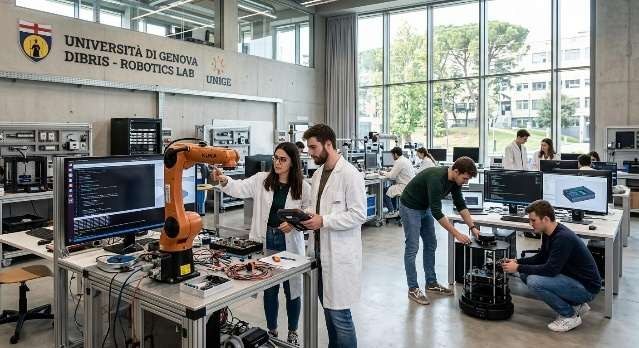
Engineering & Technology

Fashion & Design
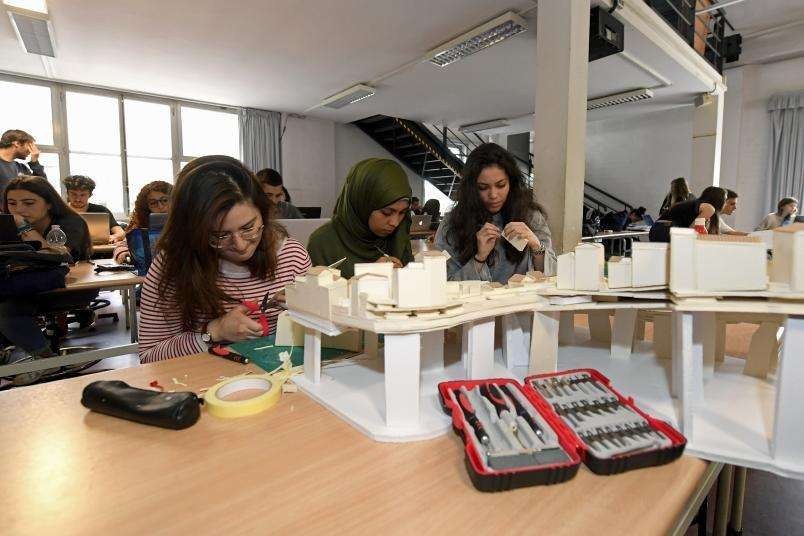
Architecture & Urban Planning
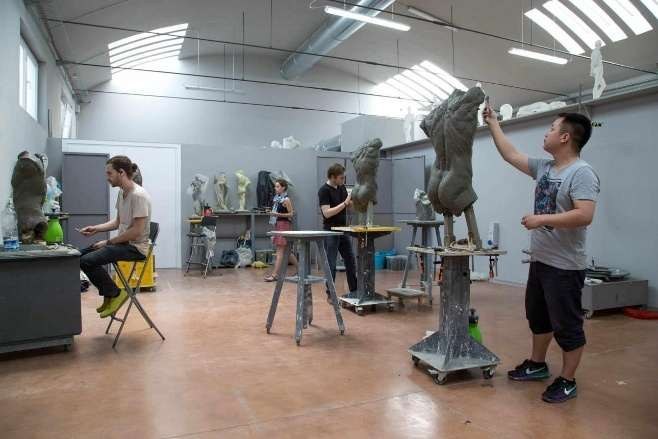
Arts & Humanities

Science & Health Sciences
Cost of Studying in Italy
Tuition depends on the institution, programme, degree level and eligibility for fee reductions or scholarships. These figures are indicative planning ranges.
Leading Universities in Italy
Explore public universities and specialist institutions across Italy. Verify recognition, accreditation, qualification level and programme entry requirements before applying.
Italy Intakes
Plan ahead and check the exact deadlines for your university and programme. Some courses have entrance tests, limited places or earlier application dates.
Application Timeline
Use this planning guide to organise your application, admission, pre-enrolment and visa preparation. Exact dates vary by university, programme and consulate.
8–12 Months Before Starting
Research universities and courses, compare tuition and living costs, review entry and language requirements, check whether the programme is taught in English or Italian, and note any entrance tests or portfolio requirements.
6–9 Months Before Starting
Prepare your passport, academic certificates and transcripts, language-test evidence, CV, statement of purpose, recommendation letters and portfolio or research proposal where required. Begin applications and arrange certified translations or legalisation if needed.
3–6 Months Before Starting
Track application decisions, accept an offer, check scholarship calls and deadlines, and complete Universitaly pre-enrolment if required for your course and visa process.
Before Departure
Confirm the visa appointment and required documents, arrange proof of funds, accommodation and health insurance, prepare travel plans, and check the latest instructions from the Italian consulate responsible for your application.

Scholarships
International students can explore government, regional and university-funded scholarships. Eligibility, award amounts and deadlines depend on the scheme and current call.
Popular Scholarship Opportunities
Italian Government Scholarships
Funding opportunities offered through annual government scholarship calls for eligible students and programmes.
Regional Scholarships
Eligible students may access financial support that can include grants, meals or accommodation benefits.
University Scholarships
Universities may offer merit-based awards, tuition reductions or need-based financial assistance.
Research & Postgraduate Funding
Selected postgraduate and research programmes may offer grants, stipends or funded opportunities.
Best Student Cities
Compare Italian cities by academic environment, lifestyle and specialist career sectors.
Milan
A major centre for business, finance, fashion, design and innovation.
Rome
A blend of academic institutions, culture, business, politics and tourism.
Bologna
Known for its historic university, student-friendly atmosphere and social life.
Florence
An attractive destination for arts, architecture, fashion, design and cultural heritage.
Turin
Known for engineering, automotive studies, technology and research.
Padua
Offers an established university environment and broad research opportunities.
Cost of Living in Italy
Your monthly expenses depend on your city, accommodation and lifestyle. Milan and Rome may cost more than smaller university towns.

After your studies
Post-Study Work Visa and Benefits
After completing an eligible qualification in Italy, international graduates may be able to explore a residence option to seek employment or convert their study residence permit to a work-related permit, where the applicable conditions are met. The route depends on the qualification, current permit, employment situation and rules in force when applying. An eligible job-search residence pathway may be available for a period of up to one year; confirm your individual eligibility with the relevant authorities before relying on it.
- Job-search pathway: eligible graduates may be able to apply for a residence permit to seek employment or start a business connected with their completed studies, subject to the current rules and qualification requirements.
- Work-permit conversion: where the requirements are met, a valid study residence permit may be converted to an employment-related permit. Check the required procedure and documentation before the current permit expires.
- Graduate employment: explore opportunities in business, engineering, technology, fashion, luxury, architecture, design, tourism and other sectors relevant to your qualification.
- Professional development: use university career services, internships, research groups, alumni networks and employer events to build relevant experience and contacts.
- Language and employability: Italian-language ability can broaden opportunities, while some international workplaces may use English. Requirements differ by role and employer.
- Important: graduation or an admission offer does not automatically grant a right to remain or work. Confirm eligibility, application timing and permit conditions with official immigration authorities.
Health Insurance in Italy
Insurance requirements can differ by visa category and personal circumstances. Confirm the current document format, minimum coverage and enrolment rules with the responsible consulate and institution before making a purchase.
Student Preparation
Student Safety & Preparation
- Research accommodation, living expenses and local transport before choosing a city.
- Check university student services and support resources for international students.
- Keep important documents and emergency contacts accessible.
- Follow local guidance and the requirements that apply to your residence status.
Part-Time Employment
Work While Studying
Eligible international students with the appropriate study residence permit are generally allowed to work part-time, subject to the current rules and the conditions of their permit.
- Work is generally limited to up to 20 hours per week during the academic period.
- The annual limit is generally up to 1,040 hours, subject to applicable rules.
- Confirm your permit conditions and work authorisation before accepting employment.
Application & Student Visa Documents
Application Documents
- Valid passport and any identification documents requested by the institution
- Class 10 and Class 12 certificates, mark sheets and academic transcripts for undergraduate applications
- School-leaving certificate or equivalent qualification, where applicable
- Bachelor's degree certificate and full transcripts for postgraduate applications
- Evidence that your previous qualification meets the programme's entry and subject requirements
- English- or Italian-language proficiency evidence, if required by the course
- Statement of Purpose or motivation letter, where requested
- Letters of recommendation, where required by the programme
- CV or résumé for selected postgraduate, business or specialist programmes
- Portfolio for fashion, design, architecture or art programmes, where applicable
- Research proposal or evidence of relevant work experience for selected research or postgraduate courses
- Entrance-test results, interview documents or other programme-specific requirements, if applicable
- Certified translations, legalisation, Declaration of Value or CIMEA comparability/verification documentation if required by the institution or procedure
- Proof of application fee payment, if charged by the institution
Student Visa & Pre-Departure
- Valid passport with the required validity and available pages, plus the completed visa application form
- Recent passport-size photographs meeting the consulate's specifications
- Official admission or enrolment documentation from the Italian institution
- Universitaly pre-enrolment confirmation, where applicable to the course and procedure
- Evidence of sufficient financial resources for the required period, including supporting financial documents accepted by the consulate
- Proof of accommodation in Italy, such as an accepted booking, rental arrangement or host documentation, as specified by the consulate
- Health insurance meeting the applicable visa requirements and covering the required dates
- Academic certificates, transcripts and qualification-recognition documents requested for the application
- Language proficiency evidence where requested by the university or consulate
- Travel itinerary or return-travel evidence if requested, and details of the intended study period
- Visa application fee and any required payment receipts
- Additional forms, declarations, legalised documents or translations specified by the responsible Italian embassy or consulate
- After arrival, apply for the applicable residence permit within the required timeframe; for many long-stay arrivals, the application must be made within 8 working days
Important: admission does not guarantee visa approval. Check the latest financial thresholds, appointment procedures, document formats and processing guidance published by the responsible Italian consulate. Requirements may change between application cycles.
Frequently Asked Questions
Answers to common questions about studying in Italy.
Why study in Italy?
Italy offers internationally recognised qualifications, cultural heritage and programmes in areas such as business, engineering, fashion, architecture, design and science.
What are popular courses in Italy?
Popular areas include Business and Management, Engineering and Technology, Fashion and Design, Architecture, Arts and Humanities, and Science and Health Sciences.
When can I apply to study in Italy?
The main intake is generally September–October. February–March entry is available for selected institutions and programmes. Deadlines vary by course.
How much does it cost to study in Italy?
Public university tuition can be around €900–€5,000 per year depending on degree level. Private and specialist institutions can cost considerably more. Living expenses are estimated at around €700–€1,500 per month.
Are scholarships available?
Government, regional and university scholarships may be available. Eligibility, award amounts and deadlines vary, and funding is not guaranteed.
Can students work while studying?
Eligible students may generally work part-time subject to their residence permit and current Italian rules. Confirm the applicable conditions before starting work.
Can I stay in Italy after graduation?
Eligible graduates may be able to explore employment or residence options under the rules in force at the time. Requirements depend on individual circumstances.
Do I need health insurance?
Students should confirm insurance requirements with the relevant Italian consulate and their institution before travelling.
Your Italy FutureStarts Here.
Tell us what you want to study and where you want to go. We'll help you explore suitable universities and understand your next steps.